
Introduction
ISTPs, known for their analytical minds, practical problem-solving skills, and independence, thrive in environments that cater to their unique strengths and preferences. This article explores the optimal conditions for ISTPs to excel in various areas of life, ensuring they lead fulfilling and balanced lives.
1. Work/Career
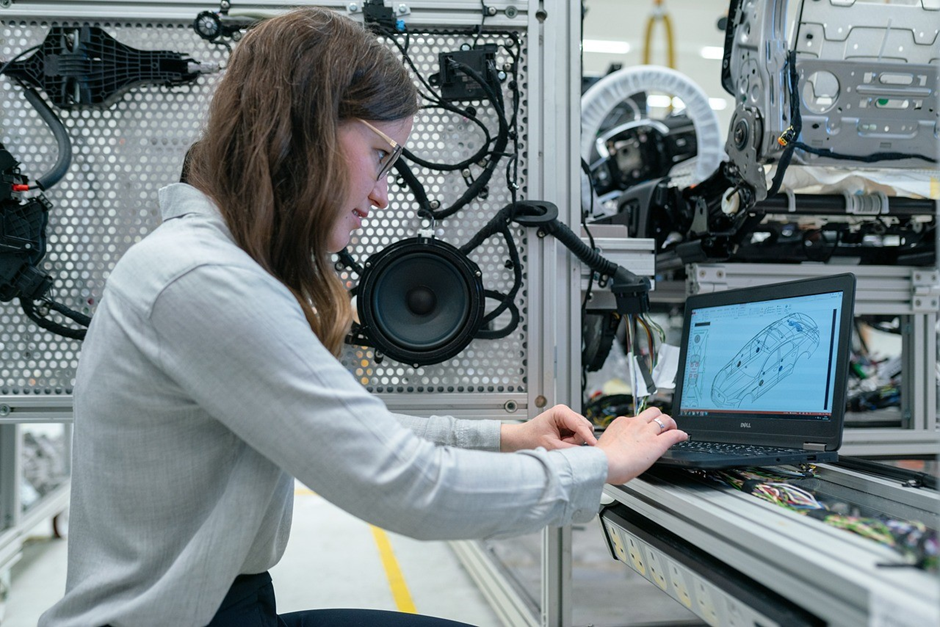
Optimal Careers: ISTPs flourish in careers that involve hands-on activities, troubleshooting, and practical problem-solving. They excel in fields such as engineering, mechanics, computer programming, and skilled trades. Careers in emergency services, such as paramedics or firefighters, also suit their ability to stay calm under pressure and act decisively.
Work Dynamics:
- Autonomy: ISTPs value independence and perform best when given freedom to make decisions and manage their tasks without micromanagement.
- Variety: They thrive in roles that offer diverse tasks and challenges, preventing boredom and keeping them engaged.
- Immediate Results: Jobs that provide tangible and immediate results are ideal, as ISTPs enjoy seeing the direct impact of their work.
2. Work Environment
Physical Space:
- Practical Setup: A well-organized workspace with access to tools and resources is essential. ISTPs prefer environments that are functional and efficiently laid out.
- Quiet and Focused: While they don’t necessarily need complete silence, ISTPs do best in environments that minimize unnecessary distractions, allowing them to focus on their tasks.
Interpersonal Dynamics:
- Collaborative Yet Independent: ISTPs enjoy working with others on practical problems but prefer minimal social obligations and meetings. A balance of teamwork and solo work is optimal.
- Direct Communication: Clear, straightforward communication helps ISTPs understand expectations and objectives without unnecessary ambiguity.
3. Home Environment
Living Space:
- Simplicity and Functionality: ISTPs prefer a home that is uncluttered, well-organized, and designed for practical living. Each item should have a purpose.
- Private Sanctuary: A personal space where they can retreat, and recharge is crucial. This could be a workshop, study, or simply a quiet corner.
Lifestyle:
- Flexible Routine: ISTPs appreciate a flexible lifestyle that allows them to engage in spontaneous activities and pursue their interests as they arise.
- Hands-On Projects: Having projects or hobbies at home, such as DIY repairs, crafts, or tech tinkering, keeps them engaged and satisfied.
4. Family Life
Parenting Style:
- Encouraging Independence: As parents, ISTPs encourage their children to be self-reliant and problem-solvers. They foster a sense of independence and practical skills.
- Quality Time: They prefer spending quality, meaningful time with family rather than adhering to strict schedules or routines.
Family Interactions:
- Direct and Honest Communication: ISTPs value straightforward and honest communication within the family, avoiding unnecessary drama or emotional complexities.
- Shared Activities: Engaging in hands-on activities or projects with family members strengthens bonds and creates shared experiences.
5. Relationships
Romantic Relationships:
- Respect for Independence: ISTPs need partners who respect their need for personal space and independence. Clingy or overly emotional partners can be challenging.
- Practical Support: They appreciate practical demonstrations of love and support, such as helping with tasks or participating in mutual hobbies.
Friendships:
- Like-Minded Individuals: ISTPs gravitate towards friends who share similar interests and enjoy engaging in practical, hands-on activities.
- Low-Maintenance Bonds: They prefer friendships that don’t require constant attention or maintenance but are reliable and genuine.
6. Hobbies and Interests
Types of Hobbies:
- Physical and Technical: ISTPs enjoy hobbies that involve physical activity or technical skills, such as sports, woodworking, electronics, or car maintenance.
- Explorative Activities: Activities that allow exploration and adventure, like hiking, traveling, or extreme sports, cater to their love for excitement and new experiences.
Pursuing Interests:
- Freedom to Explore: They thrive when given the freedom to pursue their interests without rigid schedules. Spontaneity and the ability to dive deep into hobbies are key.
- Problem-Solving Challenges: Hobbies that involve problem-solving, such as puzzles, strategy games, or coding, are particularly satisfying for ISTPs.
7. Other
Personal Growth:
- Continuous Learning: ISTPs flourish when they have opportunities for continuous learning and skill development. This could be through formal education, online courses, or self-directed study.
- Health and Fitness: Maintaining physical health through regular exercise and a balanced lifestyle is crucial for their overall well-being.
Social Involvement:
- Selective Socializing: While ISTPs are not typically the most social, they benefit from being part of communities that share their interests and values. Selective socializing helps them build meaningful connections without overwhelming their need for solitude.
Conclusion
ISTPs thrive in environments that respect their independence, provide practical challenges, and allow for hands-on engagement. By understanding and accommodating their unique preferences in work, home, family, relationships, hobbies, and personal growth, ISTPs can lead fulfilling and balanced lives. Creating the right conditions for ISTPs to flourish ultimately benefits not only the individuals themselves but also those around them.
Life Purpose for ISTPs
Introduction
Understanding one’s life purpose can bring clarity and fulfilment. For ISTPs, whose strengths lie in practical problem-solving, independence, and adaptability, their life purpose often aligns with activities and goals that leverage these abilities. Here, we explore how ISTPs can discover and embrace their life purpose to lead meaningful and satisfying lives.
1. Practical Problem Solving
Making a Tangible Difference: ISTPs derive immense satisfaction from solving practical problems. Their life purpose often involves using their skills to create, repair, or improve things. This could manifest in careers such as engineering, architecture, or any field where they can see the direct impact of their work.
Examples:
- Engineering Innovations: Developing new technologies or improving existing ones to solve real-world problems.
- Emergency Services: Using their calmness under pressure and quick thinking to help others in critical situations.
2. Independence and Autonomy
Charting Their Own Path: ISTPs value their independence and often find their life purpose in roles or lifestyles that allow them to work autonomously. They thrive when they can set their own goals and determine how to achieve them without being confined by rigid structures or micromanagement.
Examples:
- Entrepreneurship: Starting their own business or freelance career where they can be their own boss.
- Freelancing: Working as a contractor or consultant in their field of expertise.
3. Hands-On Engagement
Craftsmanship and Mastery: ISTPs are natural tinkerers who love working with their hands and mastering physical tasks. Their life purpose may involve becoming highly skilled in a craft or trade, where they can continually improve and perfect their abilities.
Examples:
- Artisan Crafts: Becoming a master craftsman in woodworking, metalworking, or another hands-on trade.
- Technical Professions: Exceling in technical fields like mechanics, electronics, or IT, where hands-on problem-solving is key.
4. Adventure and Exploration
Living for the Experience: ISTPs often seek excitement and new experiences, which can become a central part of their life purpose. They find fulfilment in exploring the unknown, whether it’s through travel, adventure sports, or diving into new projects and challenges.
Examples:
- Travel Blogging or Photography: Combining their love for travel with creative expression.
- Adventure Sports: Pursuing careers or hobbies in extreme sports, guiding tours, or outdoor education.
5. Building and Repairing
Creating Order from Chaos: ISTPs have a natural talent for fixing things and making them work efficiently. Their life purpose may involve restoring and maintaining systems, machinery, or structures, bringing order and functionality to their environment.
Examples:
- Restoration Projects: Working in historical preservation, restoring old buildings, cars, or antiques.
- Maintenance Roles: Specializing in roles that keep crucial systems running smoothly, such as facility management or aviation maintenance.
6. Continuous Learning and Adaptability
Embracing Lifelong Learning: ISTPs thrive on continuous learning and adapting to new technologies and methods. Their life purpose often includes a commitment to self-improvement and staying ahead of the curve in their chosen field.
Examples:
- Tech Enthusiasts: Staying updated with the latest advancements in technology and applying them innovatively.
- Lifelong Students: Engaging in ongoing education and training to expand their skill set.
Conclusion
For ISTPs, finding life purpose involves embracing their innate talents for practical problem-solving, independence, and hands-on engagement. By focusing on areas where they can see tangible results, work autonomously, and continuously challenge themselves, ISTPs can lead lives that are not only successful but deeply fulfilling. Recognizing and nurturing these aspects of their personality helps ISTPs align their career, hobbies, and personal growth with a meaningful life purpose.